

 Français



Secure payment
3D secure

Delivery in 72 hours
Sending with tracking

Description
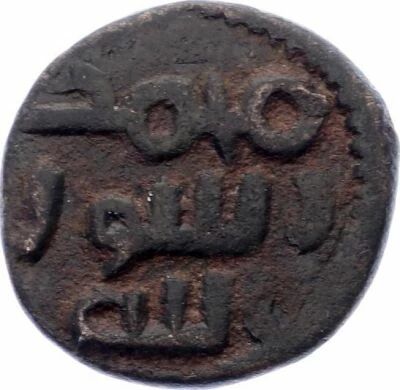
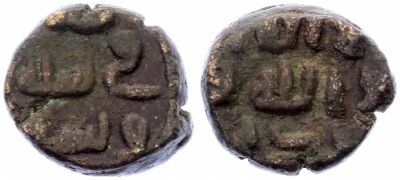
This 10 Cash from the Madras Presidency was struck in 1808 by the Soho Mint, on behalf of the British East India Company.
The cash is a traditional monetary unit used in the Madras Presidency, representing one of the smallest subdivisions of the local monetary system.
In 1808, the British East India Company was pursuing the expansion and consolidation of its authority over the Indian subcontinent. The Madras Presidency, one of the three major administrative divisions of British India, held a strategic position both commercially and militarily. This period was shaped by the aftermath of the British victory over Tipu Sultan in 1799 and by the conflicts between the Company and the Maratha states during the Anglo-Maratha Wars, which gradually led to British hegemony in India.
On the economic front, the Napoleonic Wars were affecting global trade. The Continental Blockade established by Napoleon I disrupted part of European commerce and reinforced the strategic importance of Asian markets and resources for Great Britain. This coin thus belongs to a period of territorial expansion, administrative centralisation, and the growing integration of India into the commercial networks of the British Empire.