

 Français
 Espagnol
 Allemand
 Italien








Secure payment
3D secure

Delivery in 72 hours
Sending with tracking

Description
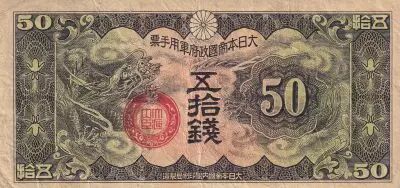
In the rich tapestry of Chinese mythology, the dragon holds a prominent place, symbolizing a multitude of concepts and values deeply rooted in the country's culture.
The dragon is more than just a legendary creature in China; it is the ultimate symbol of imperial power, representing the unyielding strength of the emperor and his reign. For centuries, Chinese emperors considered themselves descendants of dragons, thus asserting their divine authority and close connection to the cosmos.
But the Chinese dragon extends beyond political power; it also embodies luck and happiness. It is said that its presence brings prosperity and success, and its blessings protect against misfortune. Hence, it is often seen in traditional celebrations such as the Chinese New Year, where dragon dances are believed to attract luck for the upcoming year.
The dragon is also a master of the natural elements, able to control waters and precipitation. In China, where agriculture has always been vital, the dragon is associated with benevolent rain and the fertility of the land. Its ability to regulate the forces of nature makes it a symbol of respect and reverence for the natural cycles of life.
Yet, the dragon is not merely a brute force; it is also a guardian of wisdom and knowledge. In many Chinese legends, dragons are depicted as intelligent and benevolent beings, imparting guidance and teachings to fortunate mortals. Their wisdom transcends time, and they are revered for their profound understanding of the mysteries of the universe.
Finally, the dragon is often associated with longevity and immortality. Dragons are sometimes depicted with pearls, symbols of longevity and eternal wisdom. Their presence in Chinese art and culture serves as a reminder to people of the importance of cultivating vitality and insight throughout life.
Thus, the Chinese dragon embodies a range of profound meanings, from imperial power to luck, wisdom, and longevity. Its presence in Chinese culture continues to inspire respect and admiration, testifying to its timeless place in the hearts and souls of the Chinese people.