Français
 Espagnol
 Allemand
 Italien


 Français
 Espagnol
 Allemand
 Italien





Secure payment
3D secure

Delivery in 72 hours
Sending with tracking

Description
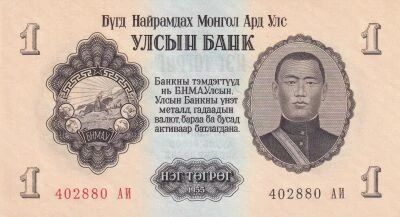
This Yugoslav banknote, with a face value of 5000 dinars, was issued in 1985. It pays tribute to Josip Broz Tito, an iconic political and military figure of Yugoslavia. The banknote commemorates the city of Jajce in Bosnia.
On the front of the banknote is a portrait of Josip Broz Tito. The positioning of the portrait and its style may vary depending on the series and issues. Generally, the portrait is executed with great precision, highlighting Tito's distinctive features.
The name of the personality, Josip Broz Tito, is written out in full on the banknote, usually in Cyrillic and Latin alphabets, reflecting the linguistic diversity of Yugoslavia at that time. The face value, 5000 dinars, is also indicated in numerals and letters, in both alphabets.
The mention of the issuing institution is present on the banknote, although the specific name is not mentioned in the data provided. The year of issue, 1985, is clearly indicated, allowing identification of the period of circulation of this banknote.
Yugoslav banknotes of this era often incorporate security features to prevent counterfeiting, such as watermarks, micro-prints, and special inks. These elements are integrated into the overall design of the banknote.
The dominant color of the banknote, as well as the patterns and symbols used, may vary. These visual elements contribute to the banknote's identity and its easy recognition by the public. The motifs may include national symbols, historical elements, or representations of Yugoslav industry and agriculture.