

 Français





Secure payment
3D secure

Delivery in 72 hours
Sending with tracking

Description
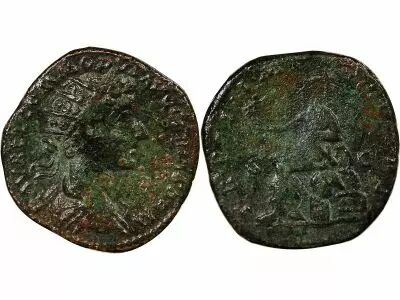
Obverse: IMP C M Q TRAIANVS DECIVS AVG
Reverse: PVDICITIA AVG
This coin is associated with Trajan Decius, a Roman emperor whose reign, although brief (249?251 AD), occurred during a period of increasing instability in the Empire. It was then facing significant internal and external pressures.
Militarily, Trajan Decius faced the threat of the Goths, who were increasing their incursions across the Danube, endangering the border provinces. In religious terms, he issued an edict requiring the entire population to participate in traditional cults, a measure aimed at strengthening the cohesion of the Empire, but which led to persecutions against Christians who refused to comply.
The reverse of the coin depicts seated Pudicitia, the personification of modesty and chastity. This iconographic type, common on Roman coins, refers to traditional moral values, without necessarily reflecting a specific policy particular to the reign of Trajan Decius.
Counterfeiting was a recurring problem in Roman monetary history, reflecting economic fluctuations and attempts to profit from the monetary system in place.