Français
 Espagnol
 Allemand
 Italien


 Français
 Espagnol
 Allemand
 Italien






Secure payment
3D secure

Delivery in 72 hours
Sending with tracking

Description
Products offered for pre-order are sold subject to effective delivery and quantitative allocation by suppliers and/or issuing institutions. The announced availability dates are indicative and may be changed independently of the seller's will.
In the event of delivery delays, partial delivery or inability to supply, the seller reserves the right to adjust or cancel all or part of the order. In such cases, a full refund of the amounts corresponding to undelivered products will be issued, without compensation or penalty.
Please note: for pre-order products paid in instalments, the order is only considered final after effective allocation by the supplier or issuing institution and full receipt of payment.
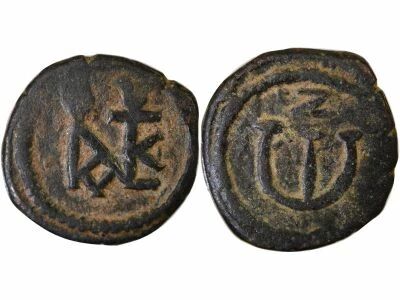
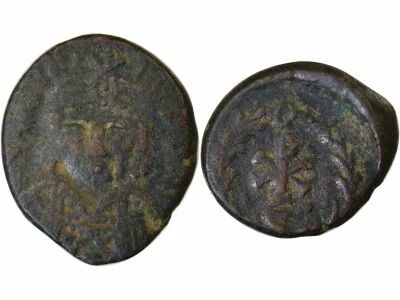
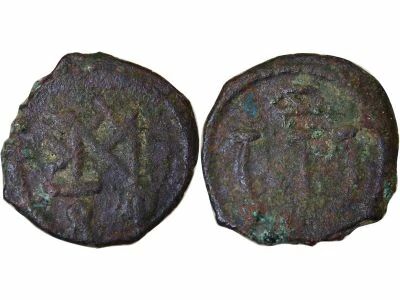
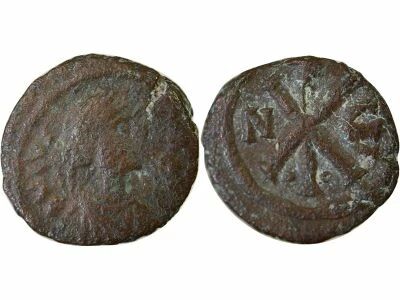
This denarius was struck during the reign of Alexander Severus, Roman Emperor from 222 to 235 AD. This coin is dated to the year 226. The denarius is a Roman silver coin.
The coin weighs 3.18 grams and has a diameter of 18 millimeters. The coin is made of silver.
The obverse of the coin depicts the portrait of Alexander Severus. The portrait is facing right. The portrait shows the characteristic features of Alexander Severus, including his hairstyle and facial features. The legend around the portrait identifies the emperor.
The reverse of the coin depicts Aequitas. Aequitas is a personification of Equity. Aequitas is depicted standing, holding a balance in one hand and a cornucopia in the other. The balance symbolizes justice and equilibrium, while the cornucopia represents prosperity and abundance. The legend "AEQUITAS AVG" is inscribed around the figure. "AVG" is an abbreviation of Augustus, an honorary title held by Roman emperors.
The iconography of this coin highlights the values of justice and prosperity associated with the reign of Alexander Severus. The representation of Aequitas on the reverse emphasizes the importance of equity in the administration of the Roman Empire. The denarius was a common coin used for commercial transactions and payment of wages.