Français
 Espagnol
 Allemand
 Italien


 Français
 Espagnol
 Allemand
 Italien






Secure payment
3D secure

Delivery in 72 hours
Sending with tracking

Description
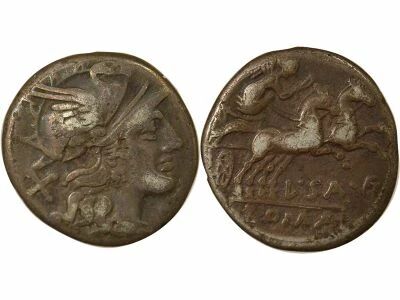
Augustus, also known as Octavian, was the first Roman emperor. He ruled from 27 BCE to 14 CE. Augustus was the nephew and adoptive son of Julius Caesar, and he played a central role in the transition from the Roman Republic to the Roman Empire.
On Roman coins, Augustus was often depicted with symbols of imperial power, such as crowns, scepters, or divine attributes. His image was often associated with elements that emphasized his legitimacy, power, and connection with the gods.
Coins minted during Augustus's reign could feature his portrait as well as inscriptions glorifying his rule and achievements. These coins were an important means of propaganda and communication in the Roman Empire, used to promote the emperor's authority and reinforce a sense of unity and stability within the empire.