

 Français







Secure payment
3D secure

Delivery in 72 hours
Sending with tracking

Description
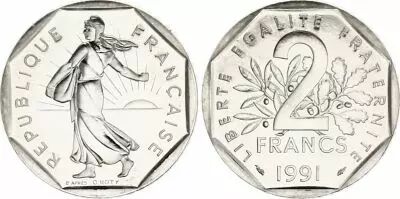
The 2 francs Semeuse coin is a French currency issued in 1900, struck in silver with a fineness of 835 thousandths. It weighs 10 grams and measures 27 millimetres in diameter. It was minted at the Paris Mint, identified by the mintmark "A".
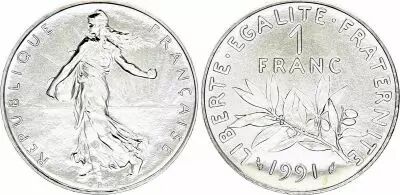
The obverse of this coin features the allegorical figure of the Semeuse (the Sower), a work by engraver Louis-Oscar Roty, who had originally designed it for French postage stamps in 1887 before it was adapted for coinage. The Semeuse is depicted in profile, walking into the wind, sowing seeds. In the background, a rising sun illuminates the scene, symbolising renewal and the French Republic. This representation embodies the republican values of the Third Republic.
The reverse displays the face value "2 FRANCS" inscribed within a wreath composed of olive and laurel branches, symbolising peace and glory respectively. The inscription "RÉPUBLIQUE FRANÇAISE" also appears on this side, accompanied by the year of minting.
This coin is part of the silver Semeuse coin series, which was introduced under the Third Republic from 1897 for smaller denominations and later extended to higher face value coins. The 1900 vintage corresponds to a period of monetary stability in France, marked by the maintenance of the bimetallic system before the gradual advent of the gold standard.
The composition of 835 thousandths silver is characteristic of French coins of this era, in accordance with the agreements of the Latin Monetary Union, a monetary union grouping several European countries that standardised the metallurgical characteristics of coins in circulation among its members. This standardisation facilitated trade between the signatory nations.