

 Français




Secure payment
3D secure

Delivery in 72 hours
Sending with tracking

Description
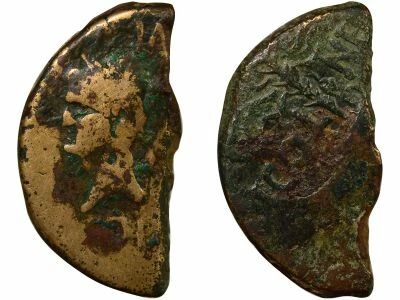
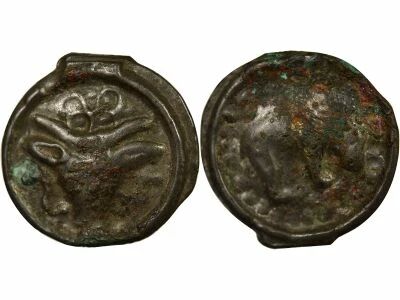
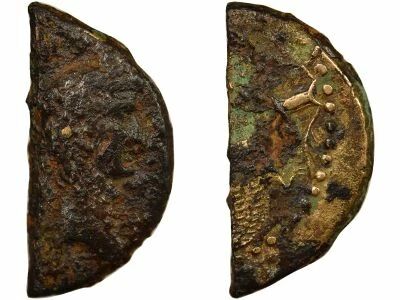
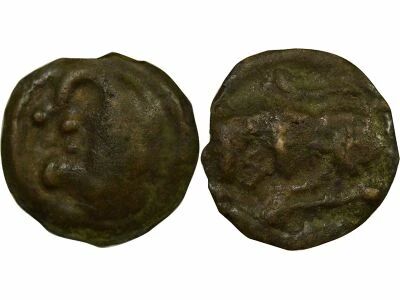
This bronze tetrachalkous was issued during the reign of Sanatruces I of Parthia, ruler of the Arsacid dynasty, between 93 and 70 BC. The reverse of this coin is adorned with the figure of Pegasus, the winged horse of Greek mythology, a motif that bears witness to the enduring Hellenistic influence on Parthian coinage.
Sanatruces I ascended to the Parthian throne amid dynastic turmoil, following a period of succession struggles within the Arsacid dynasty. Already advanced in age at the time of his accession, he had to contend with the ambitions of the nobility and maintain the cohesion of an empire stretching from Mesopotamia to eastern Iran. His reign was contemporary with the Mithridatic Wars, which pitted Rome against the Kingdom of Pontus ? conflicts in which the Parthians generally adopted a cautious policy, seeking to safeguard their interests against the major powers of the region. To the east, the kingdom also had to monitor the movements of the nomadic peoples of the steppes. It was during this period that the Parthian kingdom progressively consolidated its political structures and asserted its own identity, blending Iranian traditions with Hellenistic cultural heritage, as illustrated by the iconography of this coinage.
The choice of bronze for this tetrachalkous is consistent with low-denomination issues intended for everyday exchanges within the Parthian kingdom.