Français
 Espagnol
 Allemand
 Italien


 Français
 Espagnol
 Allemand
 Italien








Secure payment
3D secure

Delivery in 72 hours
Sending with tracking

Description
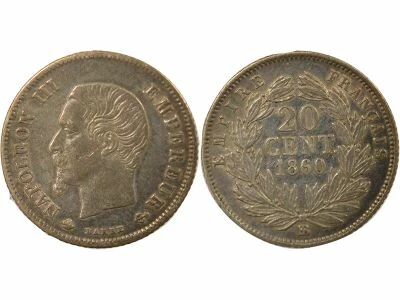
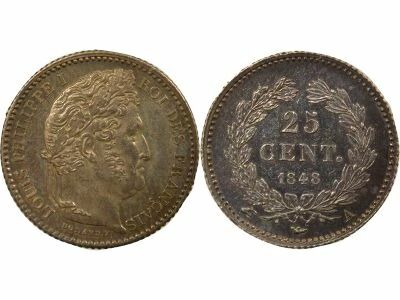
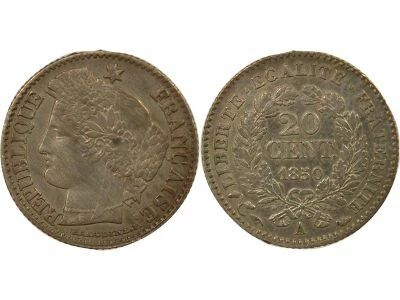
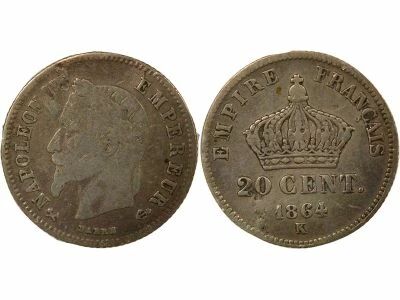
Engraver: Barre.
François Mazois was a French architect and archaeologist, born on December 19, 1783, in Pompignan and died on December 22, 1826, in Paris. He is best known for his work in the field of archaeology, particularly for his study and documentation of the ruins of Pompeii, the Roman city buried during the eruption of Mount Vesuvius in 79 AD.
Mazois conducted extensive excavations at Pompeii, documenting the architectural structures, wall paintings, mosaics, and other elements of daily life in this ancient Roman city. His work, published under the title "Les Ruines de Pompei," is an important reference for understanding life in ancient Rome.
In addition to his contributions to archaeology, François Mazois was also a talented architect.