

 Français









Secure payment
3D secure

Delivery in 72 hours
Sending with tracking

Description
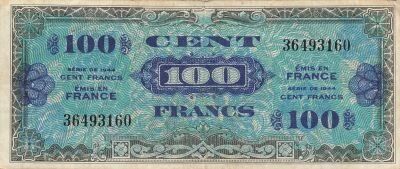
This French emergency banknote has a face value of 2 francs. It was issued on November 27, 1917. The context of this banknote's issuance falls within the period of the 'Nécessités Communes et Villes' from 1914 to 1918.
This banknote is linked to the municipalities of Roubaix and Tourcoing, located in the Nord department (59). It is a local issue intended to alleviate the currency shortages during the First World War.
The banknote is part of the 12th series, referenced R2007. It bears two signatures, likely indicating the officials responsible for its issuance and validity.
Emergency banknotes like this one testify to the economic and logistical difficulties faced by the populations and local authorities during the war. They represent a form of emergency currency, issued in the absence of sufficient official means of payment.
The design and illustrations of these banknotes vary considerably depending on the localities and circumstances of their issuance. Today, they constitute a valuable testimony to local history and daily life during the First World War.