

 Français





Secure payment
3D secure

Delivery in 72 hours
Sending with tracking

Description
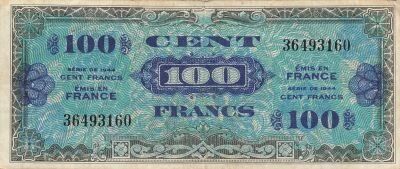
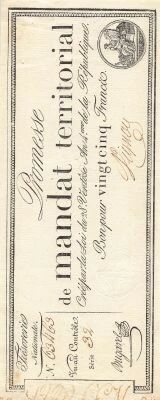
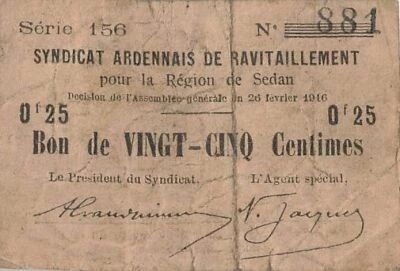
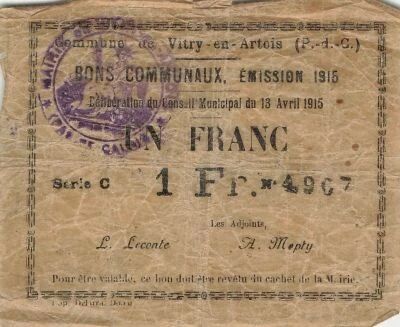
This emergency banknote was issued by the Chamber of Commerce of Lorient, France, during the year 1915. It represents a face value of two francs. This issue is part of the particular context of emergency currencies, implemented to compensate for the lack of cash during the First World War.
The banknote is dated September 3, 1915. It belongs to the category of emergency issues, specifically those produced by the Chambers of Commerce. The issuance of this banknote is linked to the department of Morbihan, more precisely to the commune of Lorient.
The iconography and specificities of this banknote may vary depending on the local emergency issues. These banknotes are often sought after for their historical value and their testimony of the economic conditions of the time. They provide insight into the monetary issues and the adaptations implemented to maintain trade during a period of crisis.
These emergency banknotes, issued by the Chambers of Commerce, are valuable historical documents that testify to the economic and social challenges faced during the First World War. Their study allows us to better understand the mechanisms implemented to ensure the continuity of local economic activities in times of crisis.