Bullion bars are one of the most widespread forms of investment in precious metals in the field of numismatics and value preservation. They differ from struck coins by their rectangular or trapezoidal shape and their manufacture by casting or rolling, without legal tender status in most countries.
Gold bars are the most sought after, available in standardised weights ranging from the 1 gram bar to the 1 kilogram bar, including intermediate formats of 5 g, 10 g, 20 g, 31.1 g (one troy ounce), 50 g, 100 g, 250 g and 500 g. The 400 troy ounce bar, known as the "Good Delivery" bar, is reserved for transactions between central banks.
Silver bars are also very present on the market, with formats ranging from a few grams to 1 kilogram or more. Their metal content is generally expressed as a fineness, the most common being 999.9/1000 for gold and 999/1000 for silver.
Each bar is accompanied by a certificate of authenticity issued by the refiner, specifying the exact weight, fineness, serial number and hallmark. The main globally recognised refiners include PAMP Suisse, Valcambi, Argor-Heraeus, Umicore and the Perth Mint.
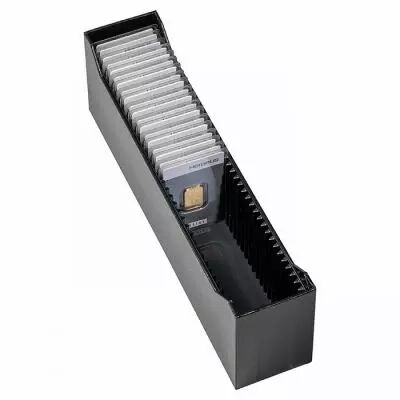
For the storage and presentation of these pieces, suitable numismatic supplies are available: custom protective capsules, resealable plastic sleeves, storage trays and secure cases specifically designed for standardised bar formats. These accessories help preserve the surface integrity of the metal and prevent any oxidation or scratching that could affect resale value.
The value of a bar is primarily determined by the spot price of the underlying metal, to which a variable premium is added depending on the manufacturer, format and condition. Small-weight bars generally carry a higher premium per gram than large formats, due to proportionally higher manufacturing costs.


 Français
 Espagnol
 Allemand
 Italien


 Français
 Espagnol
 Allemand
 Italien