Français
 Espagnol
 Allemand
 Italien


 Français
 Espagnol
 Allemand
 Italien







Secure payment
3D secure

Delivery in 72 hours
Sending with tracking

Description
Remarks:
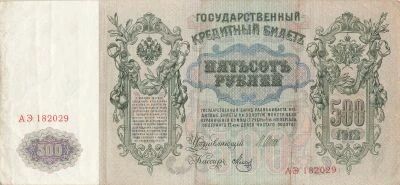
Plis et traces d'usures
Filigrane: Losanges dans un labyrinthe
This 1000 Mark banknote was issued in 1922 in Germany, during a period marked by rampant hyperinflation characteristic of the Weimar Republic. It belongs to the N-GP series, one of the many series produced in large quantities to meet the growing demand for liquidity driven by the rapid devaluation of the German mark.
The paper of this banknote features a pale green tint, a notable characteristic that distinguishes it from other variants issued at the same time. This particular shade of paper colour constitutes an important identification element for collectors and specialists alike. The serial number printed on this note is also green in colour, representing an additional specificity unique to this issue and contributing to a more precise classification.
The banknote features a polygon-type watermark, integrated into the very structure of the paper during its manufacture. This security feature, traditional in banknote production, was designed to combat counterfeiting, although the catastrophic economic conditions of the time led to a progressive simplification of printing techniques and security devices.
In 1922, the Reichsbank and various mandated printing houses were producing massive quantities of high-denomination banknotes to keep pace with the inflationary spiral gripping Germany. The 1000 Mark denomination, once considered substantial just a few years earlier, had become an ordinary value in everyday transactions. This banknote thus bears witness to a pivotal period in German monetary history, illustrating the progressive disintegration of the Weimar Republic's financial system before the monetary reform of 1923 and the introduction of the Rentenmark.