

 Français






Secure payment
3D secure

Delivery in 72 hours
Sending with tracking

Description
Remarks:
Plis, épinglages et salissures
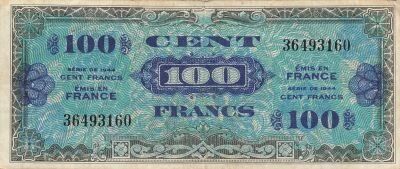
The 50 francs Cérès and Mercury banknote is a French banknote issued in 1937 by the Banque de France. It belongs to a pivotal period in French monetary history, marked by the economic tensions of the interwar years and the successive reforms of the French financial system.
This banknote takes its name from the two Roman deities that adorn its artistic composition: Ceres, goddess of harvests and agriculture, a symbol of earthly prosperity, and Mercury, god of commerce and trade, representing economic activity. These mythological figures reflect the values that the Banque de France wished to associate with its currency, anchoring the note in a classical iconographic tradition typical of French numismatic and fiduciary productions of that era.
The graphic design of this banknote is characteristic of the French artistic style of the 1930s, combining allegorical motifs with refined typography. The security features of the time, integrated during printing, bear witness to the fiduciary techniques in use during this period. The face value of 50 francs made it a significant denomination in the French monetary system of the time.
This type of banknote represents an important fiduciary production of the French Third Republic, issued in a difficult economic context, shortly before the upheavals brought about by the Second World War. Its nominal value is clearly indicated in francs, the official monetary unit of France until the introduction of the new franc in 1960. As a historical document and collectible piece, this banknote stands as a concrete testimony to the monetary policy and official graphic art of France during the interwar period.